What healthcare buildings need
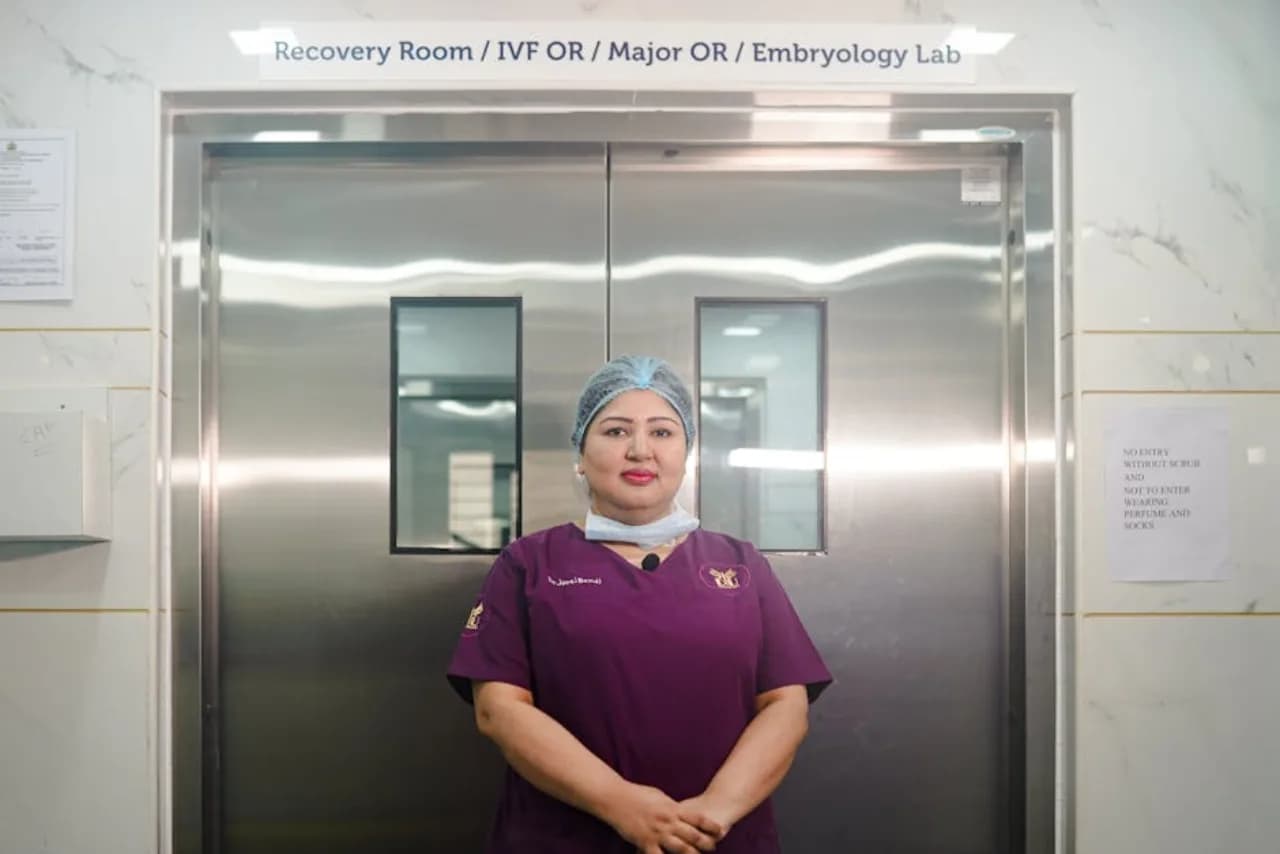
- Automatic sliding ICU doors with hermetic seals — operating rooms and isolation rooms
- Lead-lined doors for radiology, fluoroscopy, and CT/MRI suites — 1/16" to 1/4" lead equivalence
- Acoustic-rated doors STC 45-65+ for MRI, exam rooms, broadcast booths in teaching hospitals
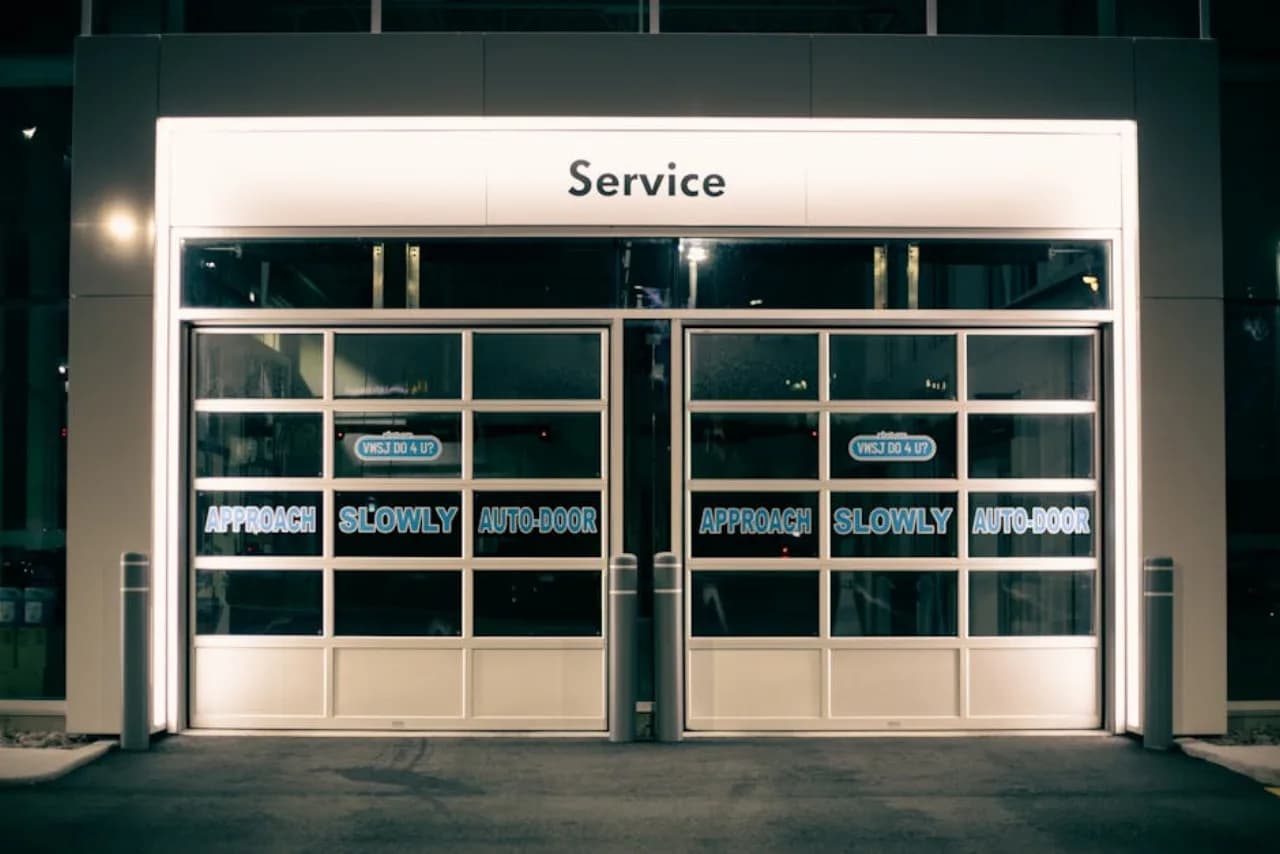
- Hands-free swing operators — wave sensors, push-plates — for infection control
- Low-energy ADA operators on all accessible entrances
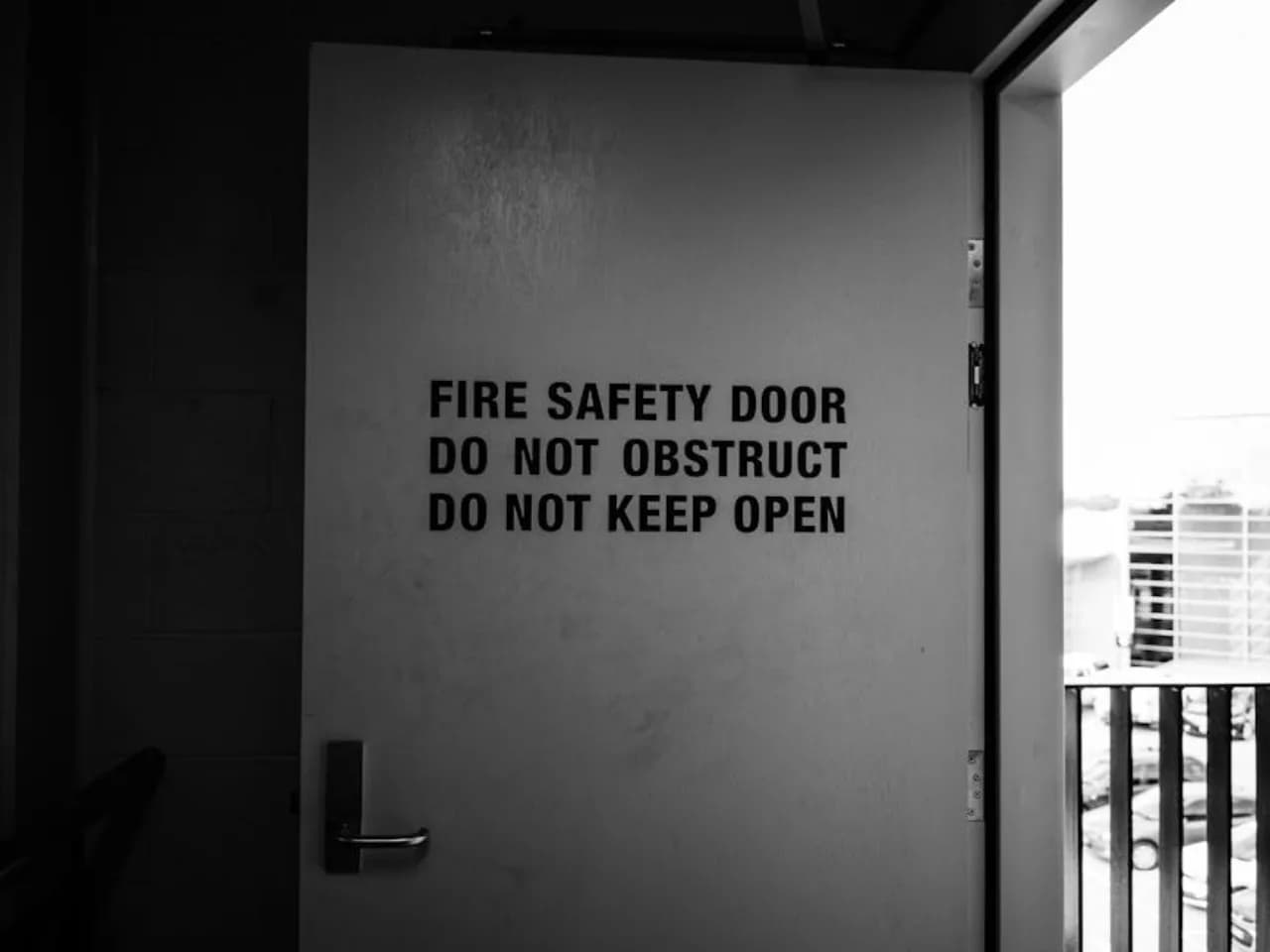
- Fire-rated assemblies throughout corridors, stairwells, and compartment walls
- Smoke-rated assemblies at horizontal exits and atrium boundaries
- Hollow metal patient-room doors with vision lites — fire-rated where the corridor demands
- Access-controlled doors at pharmacies, mental-health units, and pediatric ward entries
Why healthcare door specification differs
A retail door cycles 200-400 times daily. A hospital corridor door cycles 800-2,000 times daily plus an additional 300-500 weekend cycles. Operator life shortens proportionally — what would last 12 years in retail lasts 5-7 years in hospital. Specifying 5,000,000-cycle operators for hospital high-traffic doors turns a 5-year replacement into a 15-year life. Combined with infection-control hardware (hands-free, antimicrobial finishes), acoustic-rated assemblies for noise-sensitive areas, and lead-lined doors for imaging, the spec sheet looks nothing like a retail or office building.
Major Canadian healthcare clients
Toronto: Sunnybrook, UHN, Mount Sinai, St. Michael's, SickKids. Montreal: CHUM, MUHC, Sainte-Justine. Vancouver: Vancouver General, BC Children's, Lions Gate. Calgary: Foothills Medical. Edmonton: University of Alberta Hospital. Halifax: QEII Health Sciences. Winnipeg: Health Sciences Centre. Plus Eastern Health, Saskatchewan Health Authority, Horizon Health Network, Nova Scotia Health, and provincial Ministry-of-Health procurement contracts.